Finding the right recommended tire brands for a 1979 Trans Am with original wheels is a two-step process. First, you need to know exactly which factory wheels your car has, because the 1979 model year offered two distinct configurations that each call for a different tire size. Get that wrong and you end up with a tire that either looks out of place or physically does not fit the way it should. This guide breaks down both wheel setups, the original tire specs, their modern metric equivalents, and the brands worth spending money on in 2025.
Know Your Wheels Before You Order Anything
The 1979 Trans Am left the factory with one of two wheel setups. They are not interchangeable, and the tire size changes with the wheel.
Rally II Wheels (Standard Equipment)
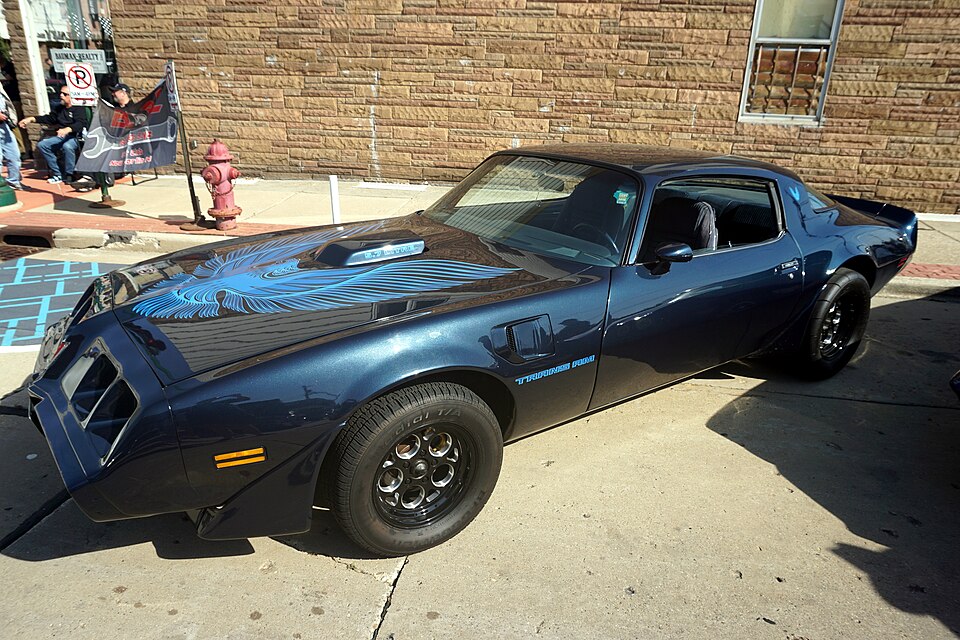
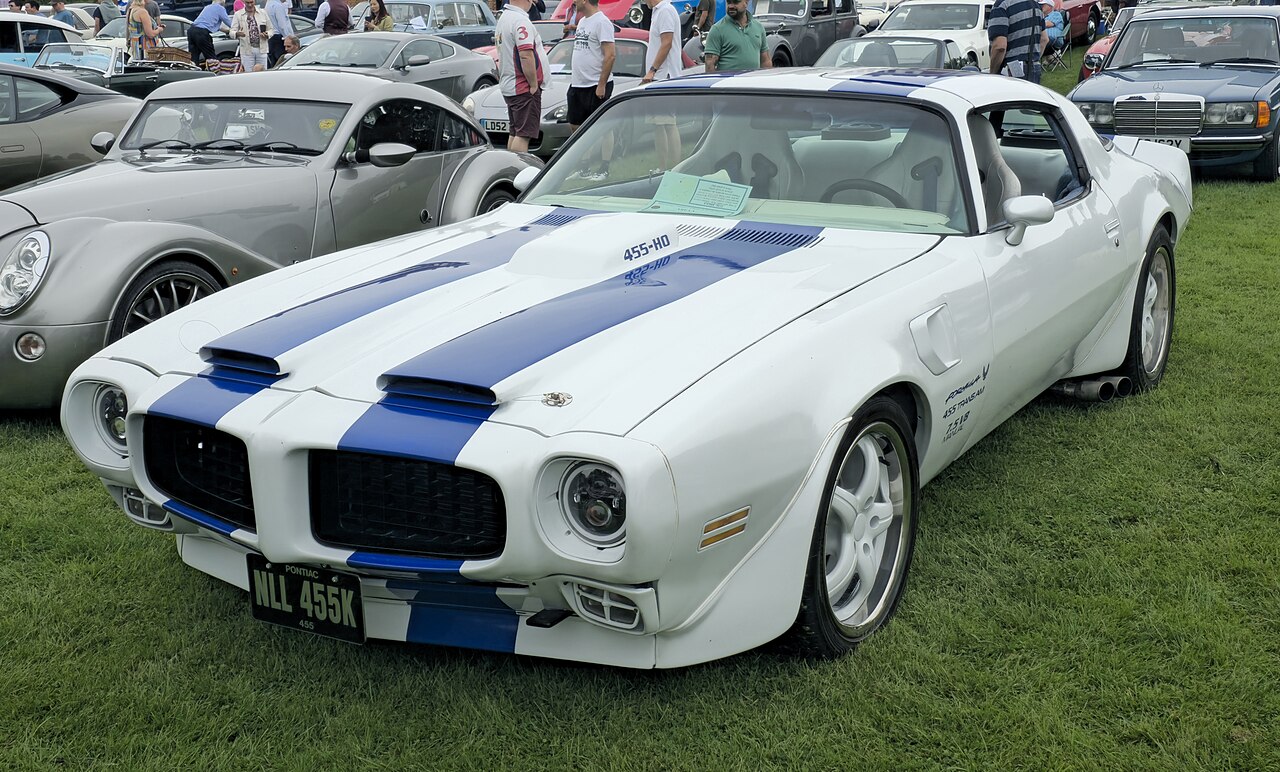
The base 1979 Trans Am rode on 15x7 Rally II steel wheels with bright trim rings and center caps. These are the slotted five-spoke steel wheels standard on non-WS6 cars. The factory tire was GR70-15, a steel-belted radial specified in the old alphanumeric system. That converts to approximately P215/70R15 or P225/70R15 in modern P-metric sizing, though the overall diameter is not a perfect match in either case. Confirm the loaded diameter against factory spec before you order.
Snowflake Aluminum Wheels (WS6, Y84, and Y89)
The WS6 Special Performance Package upgraded the wheel to a 15x8 aluminum honeycomb wheel, widely known as the snowflake or turbo wheel. The factory tire on those was GR60-15, a wider and lower-profile radial. P225/60R15 is the closest modern metric equivalent without climbing in overall diameter. The Y84 Special Edition package (black exterior, gold striping, specific interior) also came on snowflake wheels. The Y89 10th Anniversary Trans Am, which was the only second-gen Trans Am to receive factory leather-trimmed seats, likewise ran the 15x8 snowflakes in silver.
If you are uncertain which wheel you have, measure rim width: seven inches is the Rally II, eight inches is the snowflake. The door jamb sticker RPO codes will also confirm what the car left Norwood or Van Nuys with.
Recommended Tire Brands for 1979 Trans Am Original Wheels
BFGoodrich Radial T/A
This is the answer for Rally II wheel cars. The BFGoodrich Radial T/A has been in continuous production since 1970, and BFG still manufactures it in GR70-15 with raised white letters. That is the original alphanumeric size, exactly what Pontiac used on second-gen Trans Ams. The sidewall lettering, tread pattern, and overall proportions are visually correct in a way that no modern metric substitute fully matches. Wet traction and tread life are modest by today's standards, which is the honest trade-off for period authenticity. For a car that comes out on dry summer days, that trade-off is usually easy to accept. BFGoodrich publishes current size availability on their Radial T/A product page.
Goodyear Eagle GT
Goodyear supplied tires to Pontiac during the second-gen production run, and the Eagle nameplate carries real historical credibility in this application. The Eagle GT is available in sizes that fit both the 15x7 and 15x8 wheel, and Goodyear offers raised white letter versions for correct sidewall appearance. The compound is meaningfully more modern than the BFG Radial T/A, so wet grip and stopping distances are better. For a car that sees regular driving rather than occasional shows, the Eagle GT is a practical step up in capability without looking wrong.
Firestone Firehawk A/S
For a 1979 Trans Am driven through varied conditions, the Firestone Firehawk A/S offers modern all-season traction in a 15-inch diameter. It is available in P215/70R15, making it a direct fit for Rally II wheels. Raised white letter versions can be sourced through specialty retailers. Ride quality is noticeably more compliant than a period-spec tire, which is worth considering on a car with a firm suspension tune. Firestone had active ties to the performance car market during the late 1970s, which at least gives the brand some contextual credibility alongside these cars.
Coker Classic Tires
Coker Tire produces reproductions of vintage tire specifications, including GR70-15 in white-letter construction. For a concours restoration or a car being built to match factory judging standards, Coker is the resource. Their products are not inexpensive, and they are built for show use rather than spirited driving, but no current company matches the depth of their vintage-spec catalog. Coker's classic tire size finder is available at coker.com. This is the right call when a correct tread pattern matters more than a modern compound.
Kumho Ecsta PA31 and Nitto NT555 G2
WS6 owners running 15x8 snowflake wheels face a narrower market. The GR60-15 size is not widely produced in new construction outside the Coker catalog. The practical modern equivalent, P225/60R15, is where the mainstream performance tire market operates. Kumho and Nitto both offer solid options in this size. The Nitto NT555 G2 in particular has a strong reputation in the classic performance car community for pairing modern grip levels with a clean, uncluttered tread pattern. These tires are typically available in blackwall only, which is the one visual concession a WS6 owner has to accept unless they track down raised-white-letter specialty options.
Sizing Guide at a Glance
| Wheel | Factory Alphanumeric Size | Modern Metric Equivalent | Rim Width |
|---|---|---|---|
| Rally II (standard) | GR70-15 | P215/70R15 or P225/70R15 | 7 inches |
| Snowflake (WS6, Y84, Y89) | GR60-15 | P225/60R15 | 8 inches |
Always verify the overall loaded diameter against the factory spec before committing to a modern metric size. A tire that is too tall reads low on your speedometer and can contact the inner fender at full suspension travel.
What to Look For Beyond Brand Name
Raised White Letters vs. Blackwall
Both factory 1979 Trans Am tire configurations used raised white letter sidewalls. A blackwall tire is not wrong on a driver-quality car, but it changes the visual character significantly. Filter for RWL or RWL-compatible tires first if keeping the car looking correct matters to you.
Load Index and Speed Rating
Do not underspec the load index. A 94 or 95 load index in P215/70R15 is appropriate for stock-weight second-gen Trans Am applications. If the car has suspension modifications or is driven at sustained highway speeds, consult your tire supplier to confirm the speed rating is appropriate for your use case.
Vintage Compound vs. Modern Compound
Period-spec tires like the BFGoodrich Radial T/A use an older, harder compound. They deliver an authentic driving feel but give up wet grip compared to anything made in the last decade. For a show car or a seasonal driver on dry roads, the original-spec tire is the right choice. For a frequent driver covering real miles in real weather, the modern compound is the responsible choice, even if the sidewall does not look quite as factory-correct.