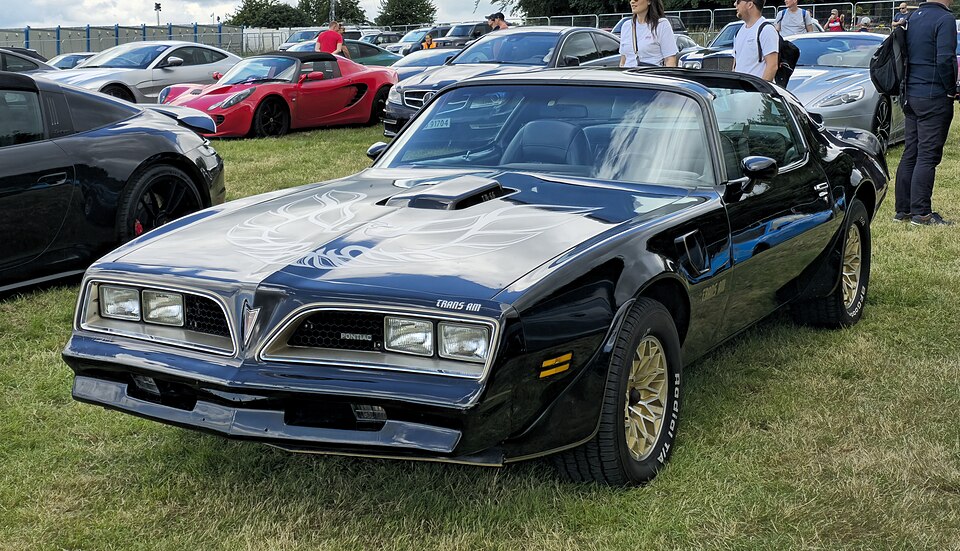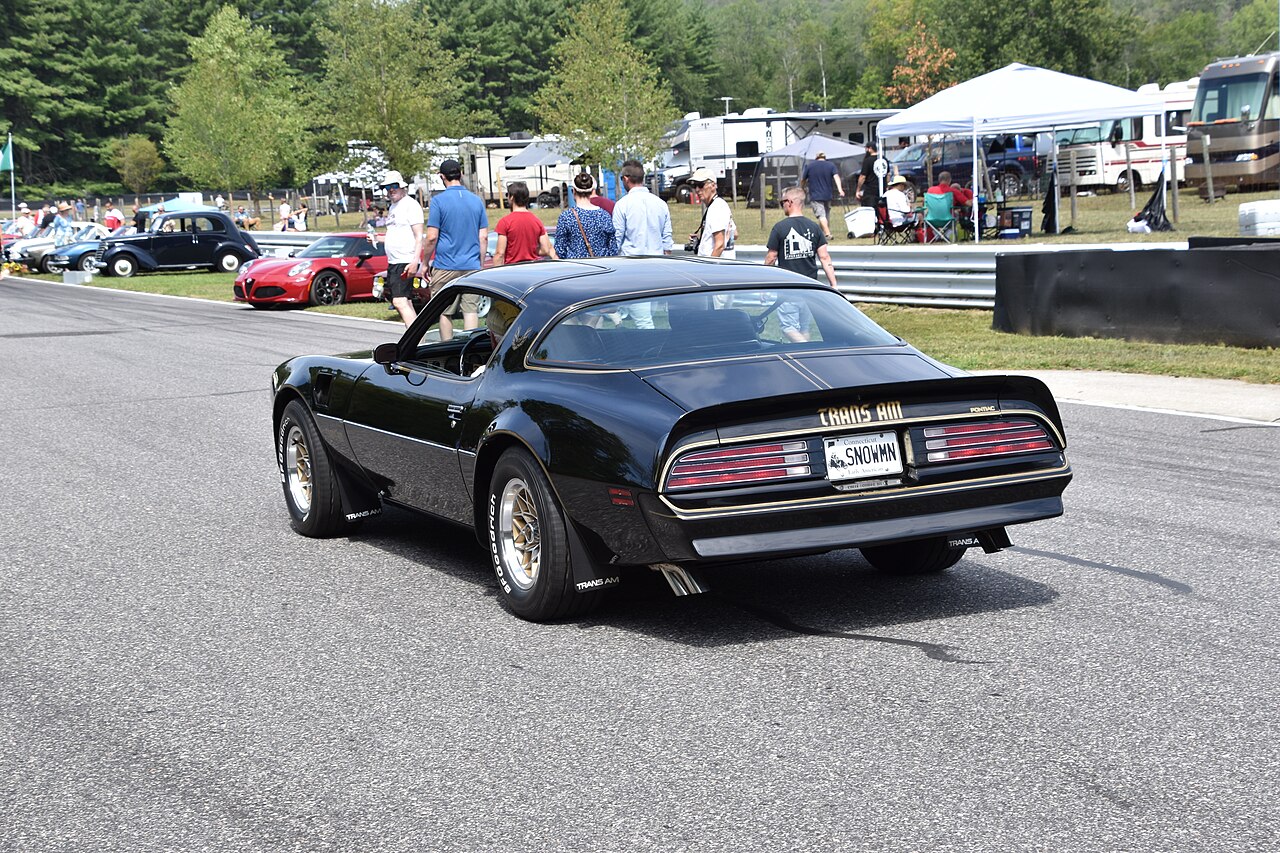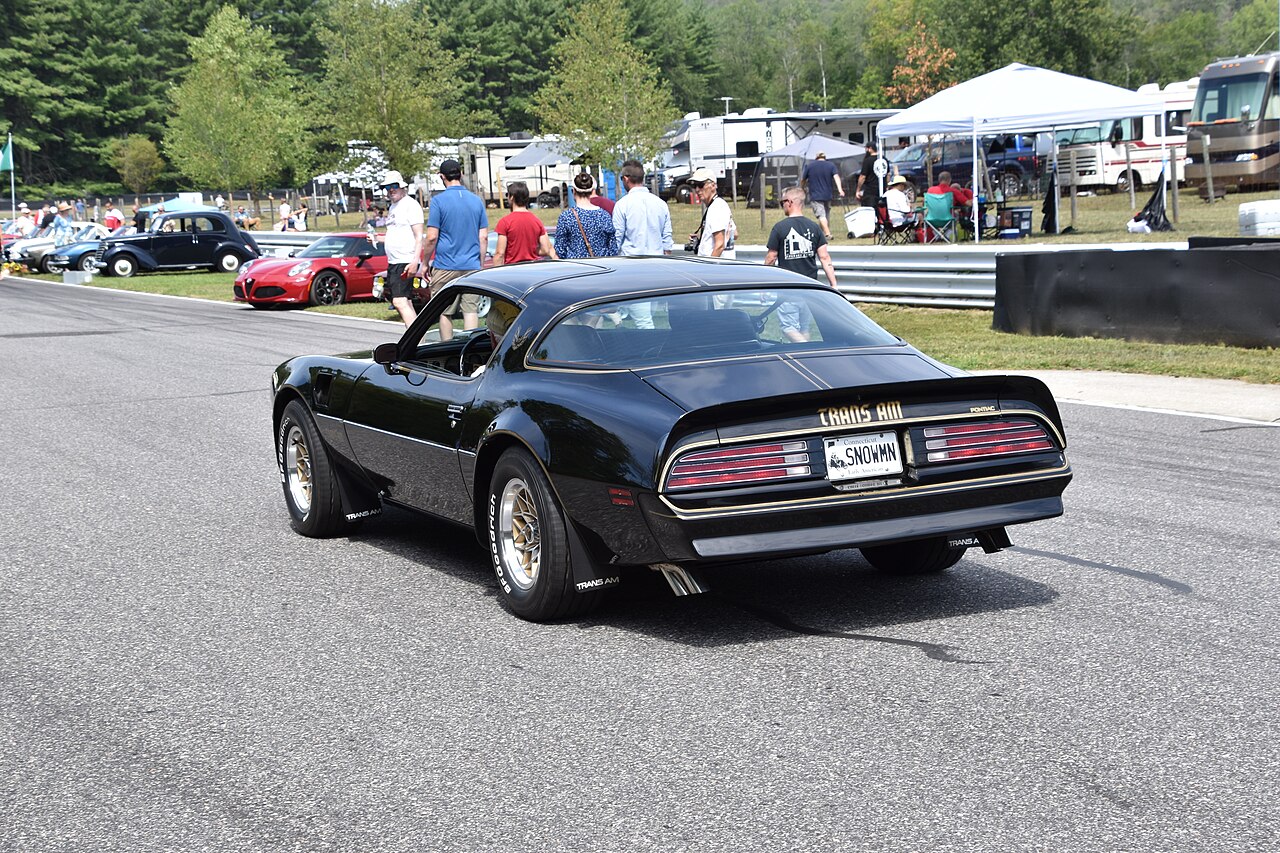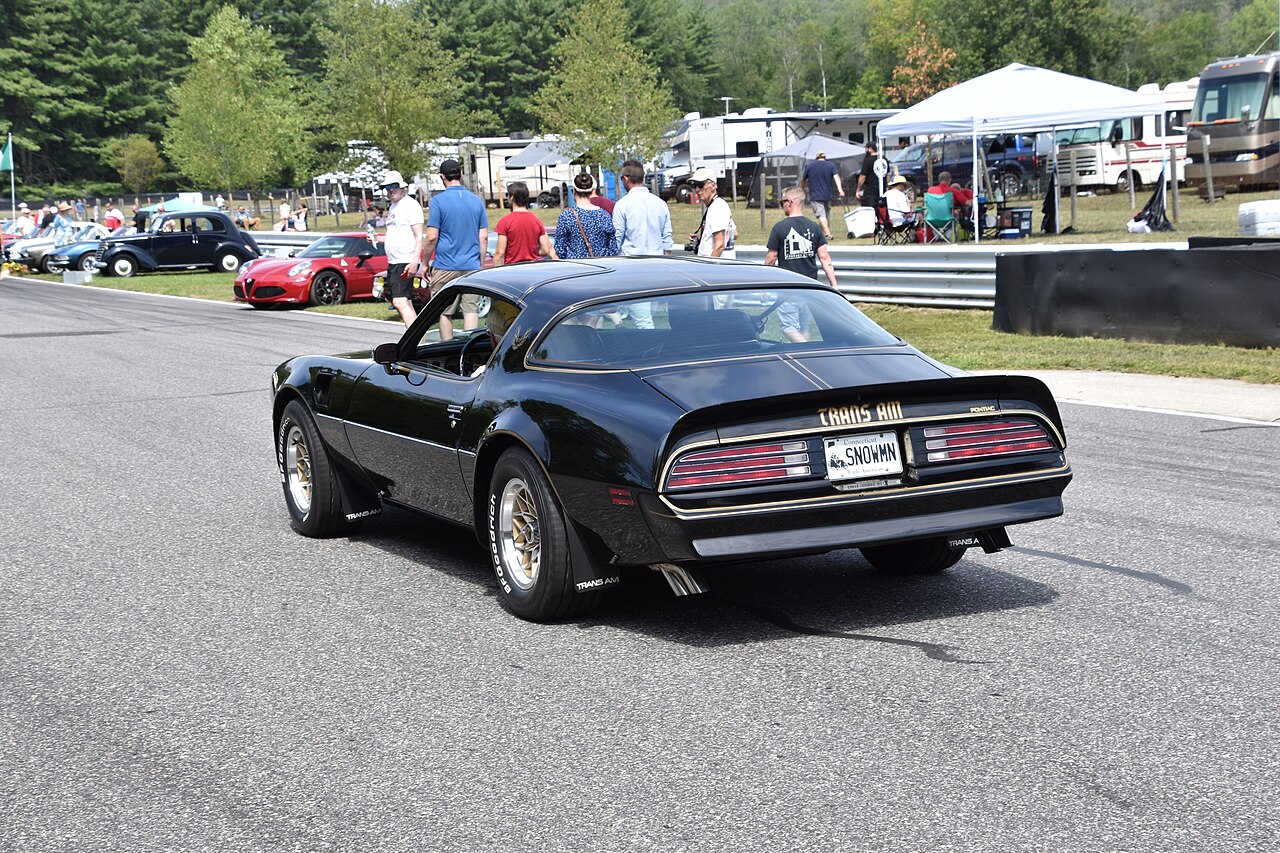
The Y84 Special Edition Trans Am is one of the most recognizable factory option packages in American muscle car history. Black paint, gold striping, and the screaming chicken hood decal became shorthand for a specific kind of late-1970s performance culture. Understanding exactly what the Y84 package was, what it included, and how it differs from the movie cars associated with it matters for any serious buyer, restorer, or owner.
What the Y84 Special Edition Package Actually Included
The Y84 was a factory Regular Production Option code, not a trim level and not a separate model designation. Checking a build sheet or decoding the cowl tag is the correct way to confirm a genuine Y84 car, because the exterior appearance can be duplicated with paint and aftermarket decals. The paperwork cannot.
The core of the package was straightforward: black exterior paint paired with gold body striping and a gold Firebird decal on the hood. That hood bird, widely called the "screaming chicken" by enthusiasts, came in different sizes across the second-gen run. The Y84 specification called for the full-size version. Gold exterior trim details and a coordinated gold wheel treatment accompanied the bodywork.
For 1978 through 1981, the Trans Am standard seat was the Deluxe Bucket, a high-back bucket seat trimmed in vinyl. The Y84 package worked within that standard seat program and did not alter the seat construction or designation. Interior color choices were generally limited to combinations that paired reasonably with the black exterior. Black vinyl was the most common result. Camel vinyl appeared in certain year and option combinations.
One fact to be clear about: no standard Y84 production car came with leather seats. Leather interior on a second-generation Trans Am belongs exclusively to the 1979 Y89 10th Anniversary model, which used silver leather-trimmed seats in a completely different color scheme. A Y84 car advertised with "original leather" is either misrepresented or has been reupholstered at some point.
The WS6 performance handling package was a separate RPO entirely. Buyers combined WS6 and Y84 regularly, and it is a natural pairing. WS6 addressed suspension components, sway bar sizing, and brake hardware, not appearance or interior content. The two packages are independent of each other on the order sheet.
The Smokey and the Bandit Effect
The cultural momentum behind the Y84 package came largely from the 1977 film Smokey and the Bandit. Burt Reynolds drove a black and gold Trans Am across the screen, and demand for the color combination surged at dealerships. The film cars were specially built units, though, not standard production Trans Ams pulled from dealer stock. Multiple Trans Ams were used during filming and they were not all configured identically. Applying the label "Bandit car" to any standard production 1977 Trans Am is inaccurate.
What the film accomplished was making the black and gold Trans Am a cultural landmark. Pontiac's factory Y84 package gave buyers a legitimate production path to that look. Trans Am production numbers during the 1978-1981 period reached levels that dwarfed the early years of the second generation, a trajectory shaped significantly by the film's reach and the sustained availability of the Y84 package.
Year-by-Year Notes on the Y84 Package
The Y84 package ran across several model years of the second generation, and details shifted between them.
1977
Black and gold Trans Ams were available for the 1977 model year, and the Smokey and the Bandit film drew enormous public attention to the combination. Buyers researching a 1977 car should decode the cowl tag carefully and cross-reference against the 1977 Pontiac dealer order guide rather than assuming that 1978-forward specifications apply directly. The option coding structure for 1977 warrants independent verification.
1978
The 1978 model year represents the configuration most enthusiasts associate with the Y84 at its most resolved. The Deluxe Bucket seat was now standard Trans Am equipment. Engine choices for 1978 included the 400ci Pontiac V8 and the 403ci Oldsmobile V8, ordered separately from the Y84 package itself. Neither engine choice affected Y84 eligibility.
1979
The 1979 model year requires careful attention because Pontiac offered both the Y84 Special Edition and the completely separate Y89 10th Anniversary package in the same year. These two packages share nothing meaningful. The Y84 is a black and gold car with vinyl seats. The Y89 is a silver car with silver leather-trimmed seats. They do not share an exterior color, an interior material, or an option code.
The standard 1979 Trans Am engine was the 403ci Oldsmobile V8. The performance option was the 400ci W72. A 301ci Pontiac engine was available as a rare credit option but was uncommon. California cars received the 403 because the 400ci was not certified for California emissions standards.
1980 and 1981
The black and gold formula carried through the final two years of the second generation. Engine availability narrowed during this period due to tightening federal emissions requirements. A turbocharged 301ci Pontiac V8 entered the option sheet for 1980 and continued into 1981. Buyers inspecting any late-second-gen car should verify the actual installed engine rather than assuming based on what was typically available for that year.
Reading the Build Sheet and Cowl Tag
Because the Y84 appearance is straightforward to replicate with aftermarket materials, documentation carries more weight for this package than for almost any other second-gen option.
The cowl tag on second-generation Pontiacs is located in the engine compartment on the firewall. It encodes exterior paint color, interior color, and the RPO option codes ordered for that specific car. A legitimate Y84 car will have the correct black paint code and the Y84 RPO code present on that tag. Both should be there.
A surviving build sheet provides further specificity. These paper documents were placed inside the vehicle during assembly, and they sometimes survived tucked under seat cushions or inside body cavities. A matching build sheet is the most granular documentation available for any special edition car and carries significant weight when establishing authenticity.
If a seller cannot provide a readable cowl tag with decoded option codes, treat the car as visually consistent but unverified as a factory Y84. Repainted cars and tribute builds are common in this segment precisely because the Y84 look is so familiar and so achievable with basic body shop work.
What Buyers Should Expect Today
Documented Y84 Trans Ams attract consistent collector interest. The combination of cultural recognition, factory provenance, and the visual impact of the black and gold scheme keeps demand steady across the market. Condition and documentation drive price more than the Y84 designation alone.
A Y84 car with a confirmed build sheet, a matching numbers powertrain, and solid body panels commands a meaningful premium over a visually similar car with no paper trail. Interior condition matters too. Original Deluxe Bucket seats in correct black vinyl are increasingly difficult to find in presentable shape, and restoring them properly requires sourcing accurate vinyl and correct trim materials rather than generic alternatives.
The most persistent structural problems on late-second-gen Trans Ams are floor pan rust, cowl area rust, and rear quarter panel deterioration. These are body and chassis concerns unrelated to the Y84 option itself, but they affect restoration cost and resale value significantly. Any purchase inspection should include a thorough look at the floor pans and the cowl drain area before price discussions begin.