Are Pontiac Firebirds reliable? The question comes up in every serious buying conversation, and the honest answer depends heavily on which year and which engine you are looking at. The second generation spans 1970 to 1981, and reliability varies significantly across that twelve-year production run. This guide breaks it down by what actually matters: powertrain, model year, and the specific failure points that will determine your ownership experience.
The Baseline Reliability Picture
Most second-gen Firebirds and Trans Ams are as dependable as a fifty-year-old American car can reasonably be. That might sound like faint praise. It isn't. These cars use straightforward pushrod V8 engines, body-on-frame construction, and mechanical systems simple enough that a competent home mechanic can handle most scheduled maintenance and common repairs. There are no interference-fit timing systems waiting to destroy an engine on a missed service interval. There are no proprietary modules that require a dealer scan tool to diagnose. When something breaks, you can generally understand why, find the part, and fix it on a weekend.
The more useful question isn't whether these cars are reliable in some absolute sense. It's which versions hold up best, and which ones will punish you for buying the wrong example.
The Engine Determines Almost Everything
Several V8 families appear across the second-gen run, and they do not carry equal reputations.
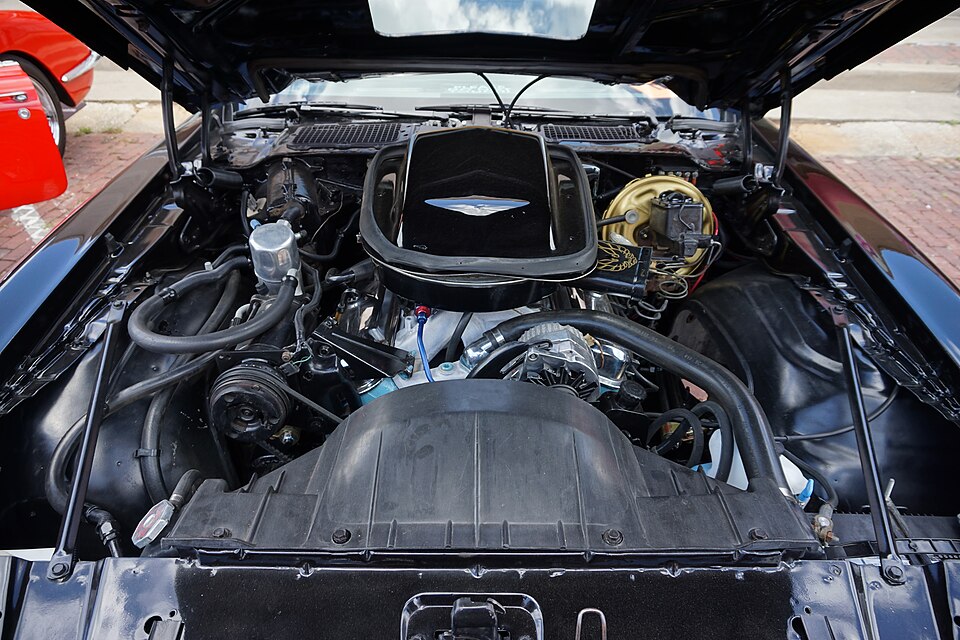
Pontiac 400ci (1970-1979). This is the engine most buyers picture when they think Trans Am, and it earns its reputation. The 400 is a robust, over-engineered design machined with thick block walls and generous bearing surfaces. It responds well to maintenance and tolerates moderate stress without drama. Properly rebuilt examples accumulate substantial mileage without complaint. The catch is that Pontiac-specific components require a bit more hunting than Chevy equivalents. Pontiac no longer exists as a manufacturing entity, so there is no new OEM production. Quality aftermarket suppliers fill most gaps, but plan to spend a few extra minutes finding the right vendor.
Pontiac 350ci (1970-1977). The base Firebird, Esprit, and Formula 350 typically came with Pontiac's own 350ci V8 through 1977. It is a smaller-displacement relative of the 400, shares the same robust Pontiac architecture, and responds well to maintenance. Like the 400, it uses Pontiac-specific parts that call for a specialist vendor rather than a local shelf, but it is a dependable, uncomplicated engine. Pontiac discontinued the 350 after 1977 as corporate engine sharing took over.
Oldsmobile 403ci (1977-1979). Pontiac used the Olds 403 in certain Trans Ams during this period, primarily to meet emissions compliance in California and in some standard-production applications. The 403 is a capable engine and not fragile, but it draws from a third distinct parts chain. Reliability is acceptable; the sourcing situation just requires more patience than the Chevy equivalent.
Pontiac 301ci Turbocharged (1980-1981). This engine carries a genuinely difficult reputation, and the reputation is deserved. The turbo 301 produced around 210 horsepower in a package that the original cooling and oiling systems were never fully equipped to support under sustained load. Heat management, boost control, and turbocharger durability were ongoing concerns from the factory. Four-plus decades of age have not made these systems easier to keep sorted. Specialists exist who have addressed most of the engineering shortcomings, but owning a turbo 301 car requires either a meaningfully larger maintenance budget or a deeper mechanical skill set than the rest of the lineup demands. The normally-aspirated 301 used in some 1980 Firebirds is more predictable but leaves a lot of performance on the table compared to the earlier 400.
Chevrolet 305ci (1980-1981). As Pontiac consolidated its engine lineup at the end of the generation, the corporate Chevrolet 305 small-block appeared in many 1980 and 1981 Firebirds. This is the one engine in the lineup that draws on the vast small-block Chevrolet aftermarket, which makes parts sourcing about as easy as it gets. It is not a high-output performance engine in this application, but for straightforward dependability and low maintenance cost it is the easiest of the group to live with.
Year-by-Year Reliability Considerations
1970-1972. Early second-gen cars are mechanically simpler because emissions equipment is minimal. They are also the oldest examples in the generation, meaning you are more likely to encounter metal fatigue, deteriorated seals, and decades of deferred or incorrect maintenance rather than factory systems complexity. A well-preserved or correctly restored early car can be very dependable. Finding one in that condition requires patience and a thorough inspection.
1973-1976. These are often overlooked years and can represent honest value. Emissions systems are present but not yet overwhelming. The 400ci remained available and produced respectable output, particularly before the 1974-1975 compression reductions took full effect. Rust is the dominant risk factor at this age; mechanical systems are generally straightforward.
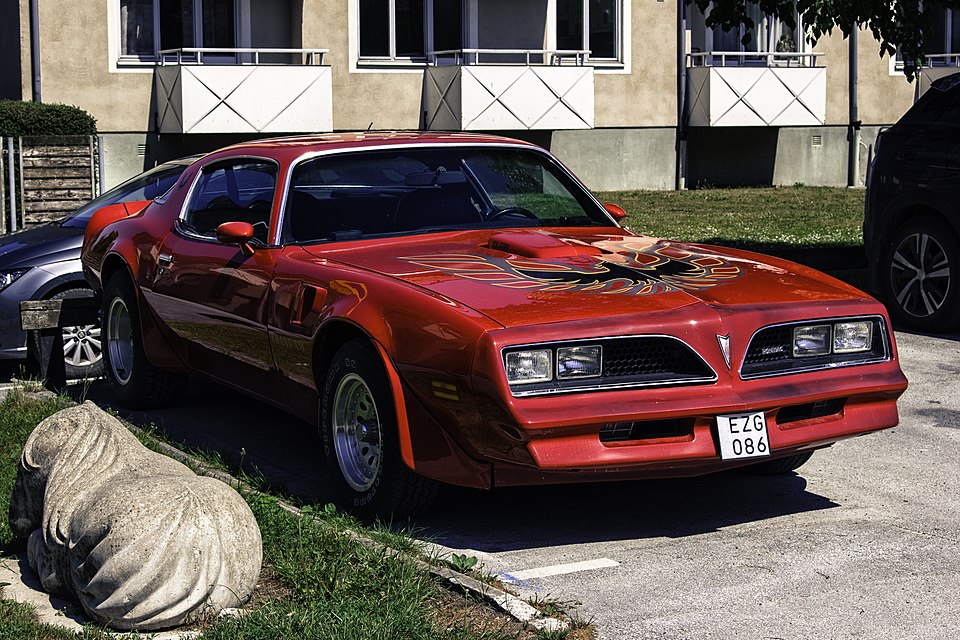
1977-1979. These are the peak production years and arguably the sweet spot for parts availability and buyer familiarity. The 1979 model year alone saw Trans Am production reach approximately 117,000 units, making survivors relatively common and parts cross-references broad. Reliability on properly maintained examples is solid. The primary headache is the increasingly complex vacuum plumbing tied to late-1970s emissions equipment. Hardened and cracked vacuum hoses produce leaks that present as drivability problems, rough idle, and stumble conditions that can look like carburetor or ignition issues until you trace the vacuum circuit systematically.
1980-1981. If you want a turbo car and have the budget and patience for it, these are historically interesting machines that occupy a unique place in American automotive history. If you want low-stress ownership, look at the 1977-1979 range instead.
Known Trouble Spots Across All Years
Rust. Floor pans, trunk floors, and lower quarter panels are the primary rust targets. T-top cars add a layer of concern: water intrusion around deteriorated T-top seals reaches the headliner structure and works its way down to the floor over years of neglect. Any car you inspect seriously should have the carpet pulled in person before you commit.
T-Top Seals. Almost every T-top car you encounter will have experienced some degree of seal failure over fifty years. Replacement seals are available through the specialist second-gen parts vendors, and the job is manageable at home. A seller who tells you a T-top car "doesn't leak" needs to prove it with a garden hose before you believe it.
Vacuum Systems on 1975 and Later Cars. The late-second-gen emissions vacuum plumbing is a genuine and consistent source of drivability complaints. Hoses crack and collapse with age, distributor vacuum advances stick or fail outright, and EGR system components corrode internally. A systematic vacuum diagnosis should be among the first things you do on any acquisition in this range.
Carburetors. The Rochester Quadrajet is the standard carburetor across much of this generation and it is a good piece when properly rebuilt and tuned. Decades of ethanol-blended pump fuel have deteriorated internal passages and accelerator pump components in a large percentage of survivors. Budget for a professional rebuild or a quality remanufactured unit as part of your purchase plan.
Rear Main Seals. The two-piece rope rear main seals used on older Pontiac V8s are a known consumable. A weeping or leaking rear main is common on any unrestored engine, and addressing it properly means dropping the oil pan and rear main cap. It is not catastrophic, but it should be factored into your initial budget.
Steering and Suspension. Ball joints, control arm bushings, and steering box play accumulate over decades of use. A loose, wandering front end is standard on unrestored cars. The good news is that suspension components are widely available, not expensive, and the work is well within a competent home mechanic's reach.
Parts Availability and the Long-Term Ownership Reality
Second-gen Firebirds and Trans Ams benefit from a strong enthusiast infrastructure. Pontiac-specific vendors stock most items for the 350, 400, and 301 engine families, and the 1980-1981 Chevrolet 305 taps the vast small-block Chevrolet aftermarket, the broadest in the American collector hobby. Online registries and communities have documented virtually every factory option code and production variation, which means competent technical help is accessible.
Hagerty's valuation data shows that clean, well-documented second-gen Trans Ams have appreciated steadily over the past decade, particularly Special Edition Y84 cars and well-optioned 1979 examples. That trajectory makes the parts investment easier to justify: you are maintaining something with real market value.
Insuring a Second-Gen Firebird
Standard auto insurance written on an actual cash value basis will not protect what you have invested in a restored or well-optioned second-gen car. Agreed-value classic car insurance, where you and the insurer establish a fixed covered amount at policy inception, is the correct product for these vehicles. If a total loss occurs, you receive the agreed amount without depreciation arguments.
Both programs structure policies around how most second-gen Firebird owners actually use their cars, which is selectively rather than as primary transportation.