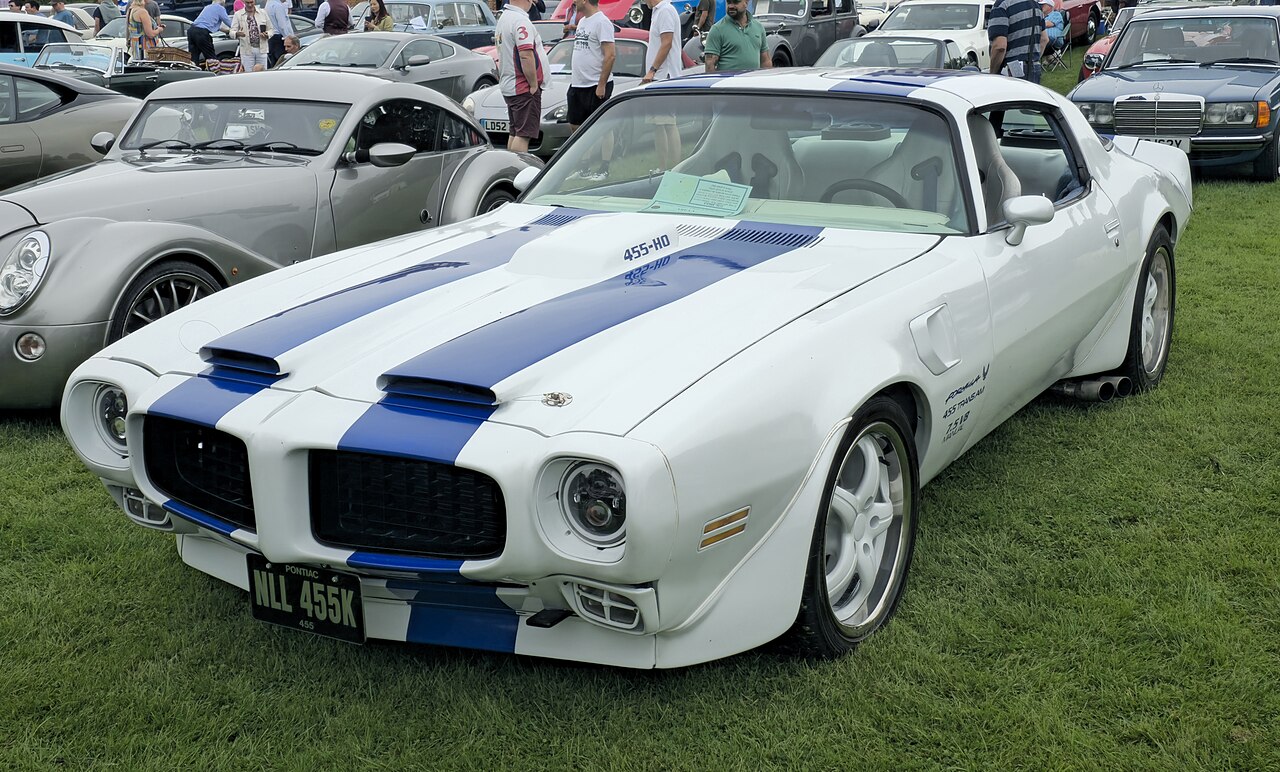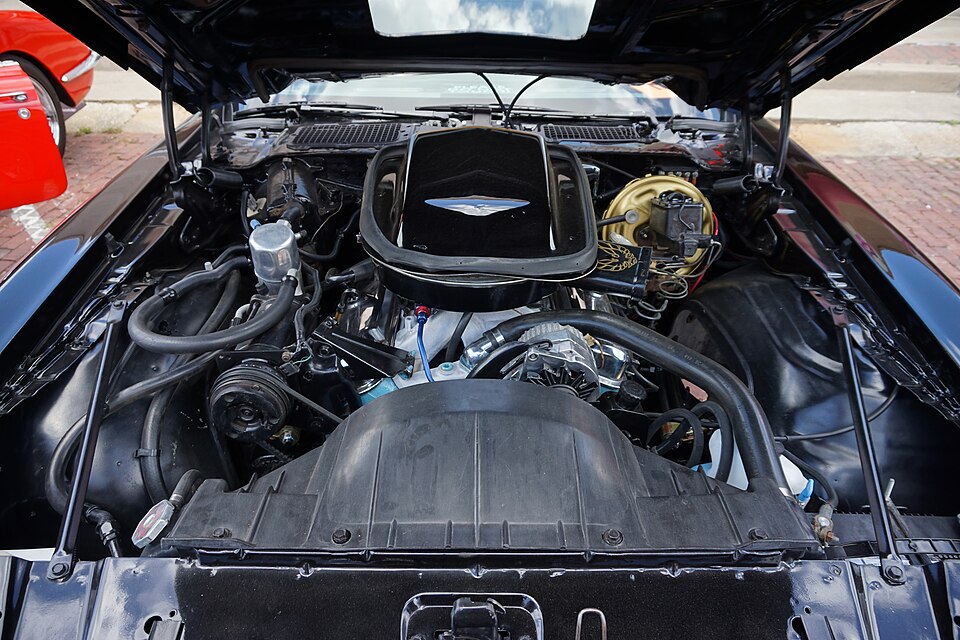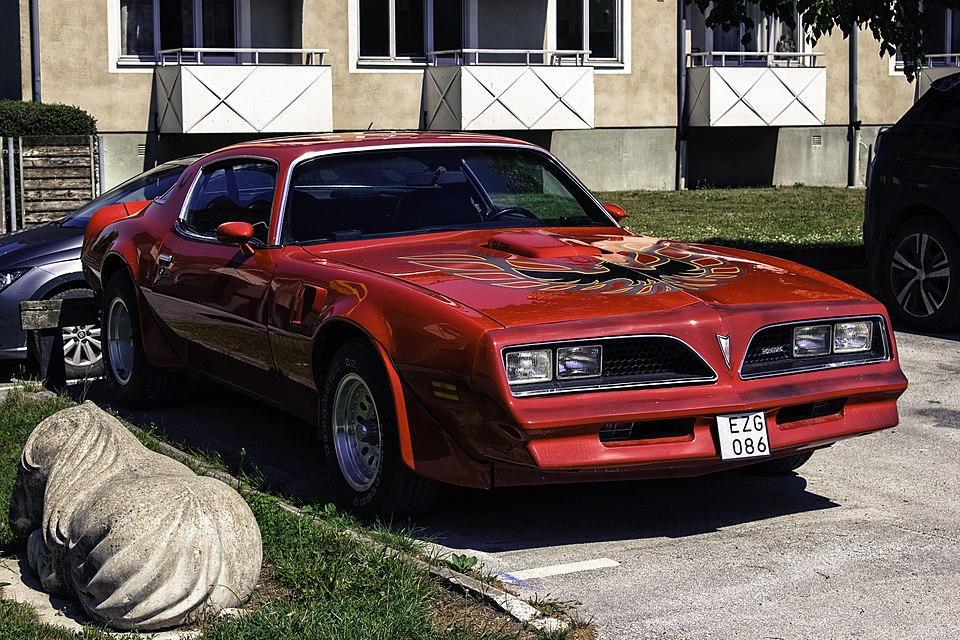
If you are shopping for a 1979 Pontiac Trans Am, knowing what are common rust spots on a 1979 Pontiac Trans Am is the single most important piece of due diligence you can do before writing a check. 1979 was a record production year for the model, and more than four decades of road salt, deferred maintenance, and leaking T-top seals have left most survivors with rust somewhere. The question is not whether a car has rust. The question is where it is, how deep it goes, and whether the repair cost fits your budget.
The Nine Rust Zones Every 1979 Trans Am Buyer Must Inspect
Second-gen F-bodies rust in predictable patterns. Walk any restoration shop that has worked on these cars and the same areas come up every time. Here they are in rough order of severity and frequency.
Rear Quarter Panels
The lower rear quarter panels are the most common and most expensive rust problem on a 1979 Trans Am. Rust starts at the trailing lower edge, behind the rear wheel opening, and works forward and inward. By the time you see bubbling paint on the outside, the inner structure behind it is often already compromised. Press firmly along the lower quarter with your palm. Any flex or softness is a red flag. A proper repair requires welded new metal, not skim filler.
Trunk Floor and Spare Tire Well
Water enters 1979 Trans Am trunks through degraded trunk seals, cracked tail panel seams, and the T-top drain tubes that terminate at the rear of the car. The spare tire well is the lowest point and holds standing water longest. Pull the spare and every piece of trunk liner before you form an opinion. Light surface rust in the trunk is manageable. A fully rotted spare tire well means floor replacement and a close look at the adjacent frame rails.
Floor Pans
The front floor pans, directly under the driver and passenger carpet, are a classic rust location on every second-gen F-body. Moisture gets trapped under floor mats and the factory jute padding for years. Pull the carpet completely and inspect bare metal. Do not trust a corner peek. Poke the metal with a pick or press it with a firm finger. Solid floor pans are flat and rigid. Soft or perforated pans mean significant welding work before this car is safe to drive regularly.
Rocker Panels
The outer rocker skins are cosmetic, but the inner rocker behind them is structural. Both can rust. Inspect the bottom edge of the rockers from underneath, and open the doors to check the floor of each door opening. Rust that has migrated from the outer skin into the inner rocker will affect door gap consistency and body rigidity. A door that drops or binds when opened wide is often telling you something about rocker integrity.
Cowl Plenum
The cowl sits at the base of the windshield, beneath the wiper linkage. Leaves, dirt, and pine needles collect there and hold moisture against the metal for seasons at a time. Rust in the cowl travels inward toward the firewall and downward into the footwell. Remove the cowl cover and inspect the interior with a flashlight. Standing water, soft metal, or visible perforations mean the cowl needs surgery before you address anything else.
Firewall and Foot Boxes
Closely related to cowl rust, but also driven by floor pan leaks and general age. The lower firewall and foot box corners are tight to inspect but worth the effort. Bring a flashlight and a mirror and check both sides.
Torque Boxes
The torque boxes are structural components. They sit at the junction of the floor pan, the rocker, and the front frame rail on each side of the car, roughly behind the front wheels. Rust here affects how the body absorbs loads from the suspension. A severely rusted torque box is a safety concern, not a cosmetic problem. Get under the car with a pick and inspect both sides. Any fabricator quoting a torque box repair should be someone who has done them on second-gen F-bodies before, because the geometry matters.
Battery Tray and Surrounding Sheet Metal
Battery acid damages metal quietly. Even on cars with a recent battery replacement, the tray and surrounding sheet metal may have years of acid damage hiding under engine grime. Clean the area and look at bare metal. This is a cheap fix early and an ignored problem later.
Door Bottoms
Water collects inside door shells and drains through small holes at the bottom. When those holes plug with road debris, water stays trapped and rots the door skin from the inside out. Run your hand along the bottom edge of each door. Paint bubbling along the lower door skin almost always means the metal behind it is gone or very close to it.
How Rust Affects a 1979 Trans Am's Value and What It Means for Insurance
A clean 1979 Trans Am carries real collector value, and that value shifts substantially based on rust condition. Hagerty's vehicle valuation tool shows condition-based pricing on the 1979 Trans Am, and the spread between a solid driver-quality car and a project-grade example with hidden structural rust can represent several thousand dollars in market value alone. The problem is that a car with undisclosed structural rust that sold at a #3 price will cost far more to repair than the discount you negotiated at purchase.
This is where insurance becomes directly relevant. A standard auto policy pays out at actual cash value, which for a vintage Pontiac is likely to be far less than what you paid or what you have invested in restoration work. Agreed-value classic car insurance sets the payout figure up front, based on the car's documented condition at policy inception. If the car is totaled or stolen, you receive exactly what you and the insurer agreed the car was worth.
Two specialty insurers that offer agreed-value policies written specifically for collector vehicles are American Collectors Insurance and Hagerty. Both understand that a rust-free, numbers-correct 1979 Trans Am and a rough project car are not worth the same amount, and their underwriting reflects that.
T-Top Cars: An Extra Layer of Risk
The majority of 1979 Trans Ams that survived were ordered with T-tops, and those cars carry rust risk that fixed-roof coupes do not. The factory T-top drain system uses tubes that run inside the A-pillars and exit at the rocker panel area. When those tubes kink, pull loose from their fittings, or plug with debris, water that enters the T-top channel has nowhere to go except into the roof structure, down the A-pillar interior, and into the floor pan.
Look for these signs of T-top drain failure during any inspection:
- Stained or warped headliner material near the T-top opening or along the roof header
- Water stains on the A-pillar trim or the A-pillar itself
- Wet or stained carpet at the front corners of the floor
- Rust bubbling or perforation at the A-pillar base or where the A-pillar meets the rocker
If you are evaluating a T-top car, run the cowl, floor pan, and torque box inspection with extra attention. Drain tube failure tends to direct water into all of those areas over multiple seasons. The Pontiac-Oakland Club International (POCI) maintains a network of technical advisors and marque specialists who can help you locate a qualified pre-purchase inspector in your area if you are not comfortable doing this evaluation yourself.
What to Do When You Find Rust
Surface rust, rust that has discolored or roughened the metal but has not eaten through it, is manageable. Proper prep followed by a quality rust encapsulator or converter will stabilize it before it progresses. Perforated metal requires welding. Structural rust in the torque boxes, inner rockers, or frame rails requires a metal fabricator who has specifically worked on second-gen F-bodies, not a general body shop that works with filler and skim coats.
Before agreeing to any repair, get a quote that includes full metal discovery. Rust repair consistently reveals more rust. A realistic budget for a car with moderate quarter panel and floor pan rust runs into several thousand dollars in labor before primer and paint, and that figure climbs quickly if the torque boxes or frame rails need fabrication.
If the rust is limited to cosmetic sheet metal and the structure underneath is sound, a 1979 Trans Am is worth restoring. It was the peak production year for the model for good reason. These were well-equipped, genuinely popular cars and parts availability is still reasonable. A solid body over a rusty floor is a far better starting point than a beautiful exterior concealing compromised structure. Know which situation you are buying into before any money changes hands.