So, is a Pontiac Firebird a good car? The short answer is yes, conditionally. The second-generation cars, built from 1970 through 1981, offer real muscle-car performance, enduring styling, and a parts and knowledge ecosystem that holds up remarkably well for vehicles more than four decades removed from the assembly line. But these are old cars. They have old-car problems. What separates a rewarding buy from an expensive lesson almost always comes down to one factor: rust.
This guide covers what a prospective buyer needs to know before pulling the trigger on a second-gen Firebird or Trans Am, which years and trims make sense for different goals, what honest ownership looks like, and how to insure the car correctly once it's yours.
What the Firebird Gets Right
The second-gen Firebird platform is well-engineered for its era. Pontiac built these cars on the GM F-body architecture shared with the Camaro, but the Firebird, and especially the Trans Am, developed its own distinct character through a dedicated engine lineup, specific suspension tuning, and appearance packages that Chevrolet simply did not offer.
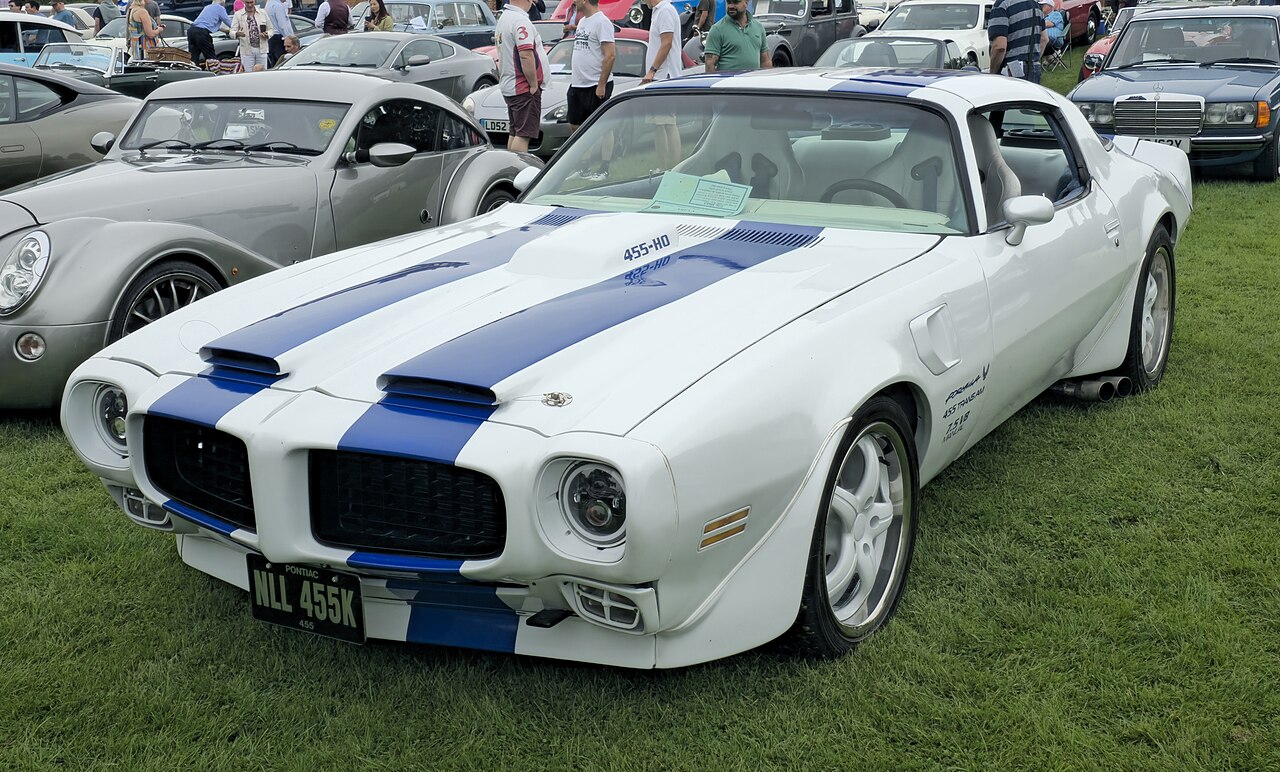
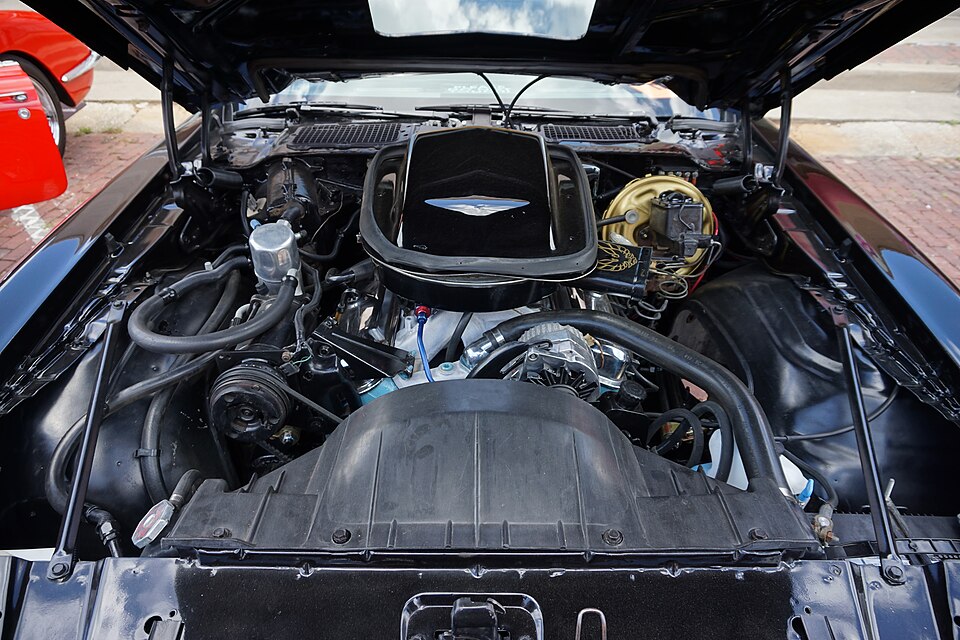
Performance credentials are real. Early second-gen cars could be had with the 455ci V8, including the rare 455 Super Duty in 1973 and 1974. That engine was one of the few of that period to hold its own against tightening emissions standards while still putting meaningful power to the ground. By 1979, the standard Trans Am engine was the 403ci Oldsmobile V8, with the 400ci W72 available as the performance option. Neither number looks intimidating by modern standards, but the cars feel quick, especially with a manual transmission and the roads they were designed for.
The WS6 performance handling package, available on Trans Am models, added specific suspension tuning, larger stabilizer bars, and wider tires. It was a genuine mechanical upgrade, not a sticker kit.
Community support is another real asset. The Pontiac-Oakland Club International and numerous model-specific forums have been cataloguing these cars for decades. If you need a factory broadcast sheet decoded, want to confirm correct paint codes, or are chasing down an obscure production option, the knowledge base exists and is accessible. Parts availability is strong through suppliers like Ames Performance and Year One, with reproduction sheetmetal, rubber, and trim pieces covering most of the model run.
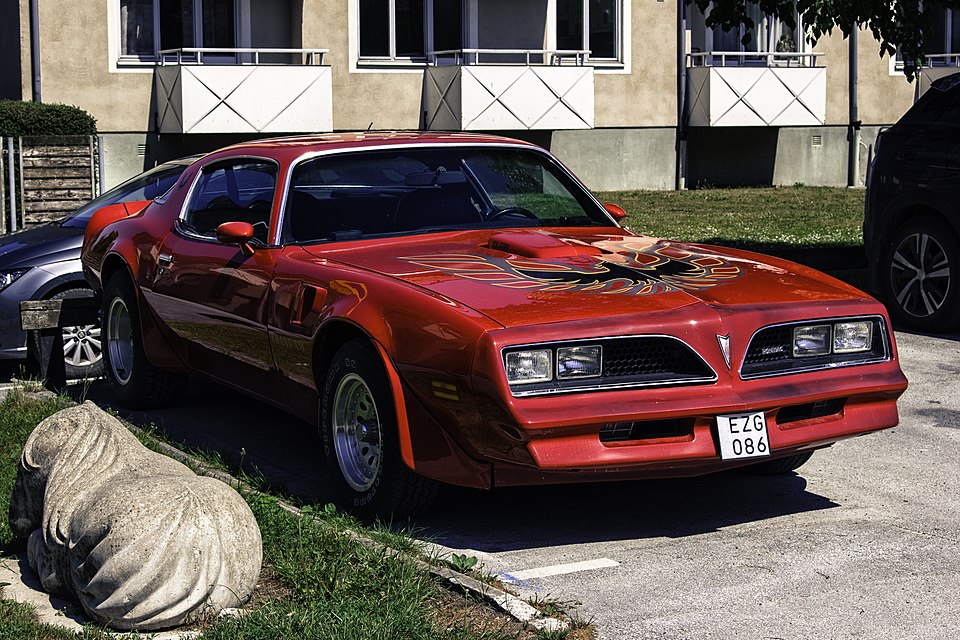
The styling has aged well. The long hood, raked windshield, and screaming chicken hood decal on the Trans Am are as recognizable now as they were when Burt Reynolds put the car in the cultural conversation in 1977. That visibility helps resale values stay relatively stable, even for driver-quality cars.
What to Watch For Before You Buy
These cars rust. That is the single most important fact any buyer needs to absorb before shopping. GM F-bodies of this generation are particularly vulnerable in the floor pans, the frame rails, and the birdcage, which is the structural cage of pillars and rails surrounding the windshield, door openings, and rear window. Rust in the floors is repairable with patience and money. Rust in the birdcage is a fundamentally harder problem. On T-top cars, birdcage rust is extremely common because the T-top openings create a natural channel for water intrusion over decades of use.
Before making any offer, get under the car with a good flashlight. Check the frame rails forward of the front subframe bolts. Look where the floor meets the rocker panels on both sides. On T-top cars, pull back the headliner at the front corners and inspect the roof structure directly.
Late second-gen cars, specifically 1980 and 1981, were increasingly strangled by emissions hardware. The turbocharged 301ci (4.9-liter) Pontiac V8 offered in some 1980-1981 configurations is not a performance engine by any realistic measure. The carburetors on these late smog-era cars can be frustrating to tune and keep running correctly. Many buyers swap the drivetrain, but that decision carries resale and insurance implications worth thinking through.
Interior condition varies widely. Factory Trans Am interiors used deluxe bucket seats as standard equipment, trimmed in vinyl. These seats are genuinely comfortable for long drives and hold up well when kept out of direct sun. Cracked vinyl and deteriorated foam are common on cars that lived outside. Good reproduction upholstery is available, but factory-correct materials matter for show cars and for documented value. If you are buying a 1978-1981 car and the seats need work, our guide to what to look for in Trans Am seat covers covers the fit and material questions worth asking before you order.
Which Year Makes Sense for You?
Pre-Emissions Power: 1970-1973 The earliest second-gen cars have the most muscle and the most collector attention. These predate the harshest emissions regulations and can be had with the 455ci V8 in several states of tune. They are also the most expensive, and clean, numbers-matching examples are genuinely becoming serious collector cars. Expect to pay a meaningful premium over mid-decade cars.
The Sweet Spot: 1976-1979 Most buyers who want a usable, drivable classic without early-car money land in this window. The 1977 and 1979 Trans Am are the most popular years. Pontiac built approximately 117,108 Trans Ams for the 1979 model year, a production record, which means clean examples are more findable than the lower-volume early cars. The 400ci engine is tractable, parts are everywhere, and the styling with the large hood bird and T-tops is what most people picture when they think of this car.
The Y84 Special Edition package, offered starting with the 1978 model year, delivered the black-and-gold exterior with a specific interior combination. This is commonly called the Bandit package because of the Smokey and the Bandit films, though the actual film cars were specially built 1977 Trans Ams, not standard production vehicles. A factory Y84 car is its own legitimate collectible and stands on its own merits without needing the movie connection.
The Overlooked Years: 1980-1981 These cars carry a reputation problem driven mostly by the engine options available at the end of the second-gen run. Values are lower than the 1977-1979 cars, rust is the same threat it always is, and a drivetrain swap can make them very drivable. They are not the right choice for the buyer who prioritizes originality, but for someone who wants to build a driver with less initial investment, they deserve a look.
What a Good One Costs Today
The market range on second-gen Firebirds is enormous. A driver-quality car with surface rust, worn interior, and a tired engine trades for a fraction of what a clean, documented, numbers-matching car commands. Optioned Trans Ams with T-tops, the WS6 package, and a verified history command significant premiums over base cars in similar condition.
Prices have also moved meaningfully over the past several years as the generation that grew up with these cars has reached collector age. For current market data before you make an offer, Hagerty's free valuation tool provides model-specific value ranges by condition grade and is a sensible first stop.
Budget separately from the purchase price for a pre-purchase inspection by a Firebird-knowledgeable shop, and budget again for any immediate mechanical work. Even a good car will want attention to the brake system, cooling system, and rear axle seals.
Insuring a Classic Firebird the Right Way
Standard auto insurance is the wrong tool for a collector car. A standard policy typically pays actual cash value at the time of a claim, which for an older vehicle can mean far less than what you paid or what the car genuinely represents to the hobby. For a second-gen Firebird that you've put time and money into finding or restoring, that gap can be painful.
Agreed-value collector car policies work differently. You and the insurer agree on the car's insured value up front. If the car is a total loss, you receive that agreed amount. There is no negotiation with a claims adjuster over what a 1979 Trans Am is worth after the fact.
Hagerty is the most widely known provider for this kind of coverage and has specific programs for classic muscle cars with valuation tools built for the hobby. American Collectors Insurance is another well-regarded option with competitive annual premiums for cars in the second-gen Firebird's value range.
Both programs typically require the car to be garaged, driven under a stated annual mileage limit, and used for hobby purposes rather than daily transportation. Those are easy conditions to meet for most collector-car owners.