Searching for reviews of classic car dealerships specializing in 1979 Trans Am is a smart first step, but star ratings only tell part of the story. A dealer can have a wall of five-star feedback and still misrepresent a car's engine code, trim package, or factory options. This guide walks you through how to evaluate dealers specifically for this model year, what to look for in their listings and customer reviews, and how to protect yourself financially once you find the right car.
Why Dealer Specialization Matters for a 1979 Trans Am
The 1979 Trans Am sits at a particular crossroads in second-generation Firebird history. Model year 1979 was one of the highest-production years for the nameplate, which means cars are out there in varying states of originality. Sellers range from knowledgeable Pontiac specialists to general used car lots that stumbled onto a flashy hood bird and listed it at a premium.
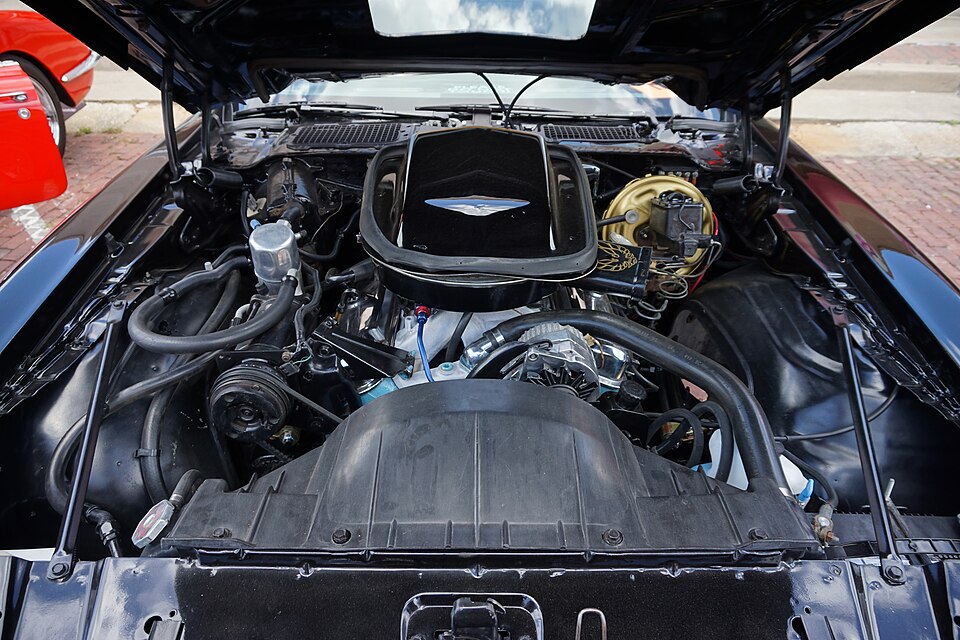
A dealer who focuses on Pontiac muscle, or specifically on second-gen Firebirds (1970-1981), will document a car differently than a generic classic car lot. They understand that the standard 1979 Trans Am engine was the 403 cubic inch Oldsmobile V8, rated at 185 horsepower, while the performance option was the 400 cubic inch W72 Pontiac V8, rated at 220 horsepower and sold under the T/A 6.6 badge. California emissions regulations meant the 400 was not certified for that state, so West Coast cars received the 403. A specialist will note this distinction in their listing. A generalist often will not.
The 10th Anniversary Trans Am (RPO Y89) adds another layer of complexity. Pontiac built approximately 7,500 of these cars for 1979, finished in Platinum Silver Metallic with a specific silver and charcoal interior. These are the only second-generation Trans Ams that left the factory with leather-trimmed seats. Standard 1979 Trans Am seats were the Deluxe Bucket in vinyl. Any dealer listing a standard 1979 Trans Am as having "factory leather" either has a Y89 in hand or does not know what they are selling.
How to Read Reviews of Classic Pontiac Dealers
When reading dealer reviews, filter for reviewers who bought the same category of car. A review praising a dealer's customer service on a 1965 Mustang purchase tells you something, but it does not confirm that dealer knows a 1979 Trans Am. Look for these specific indicators in the review record:
Accuracy in documentation. Positive reviews that mention the dealer providing correct build sheets, broadcast sheets, or documentation from Pontiac Historical Services are a strong signal. PHS can verify a car's factory-original options from the original build records, and any dealer who specializes in Trans Ams should encourage that verification rather than discourage it.
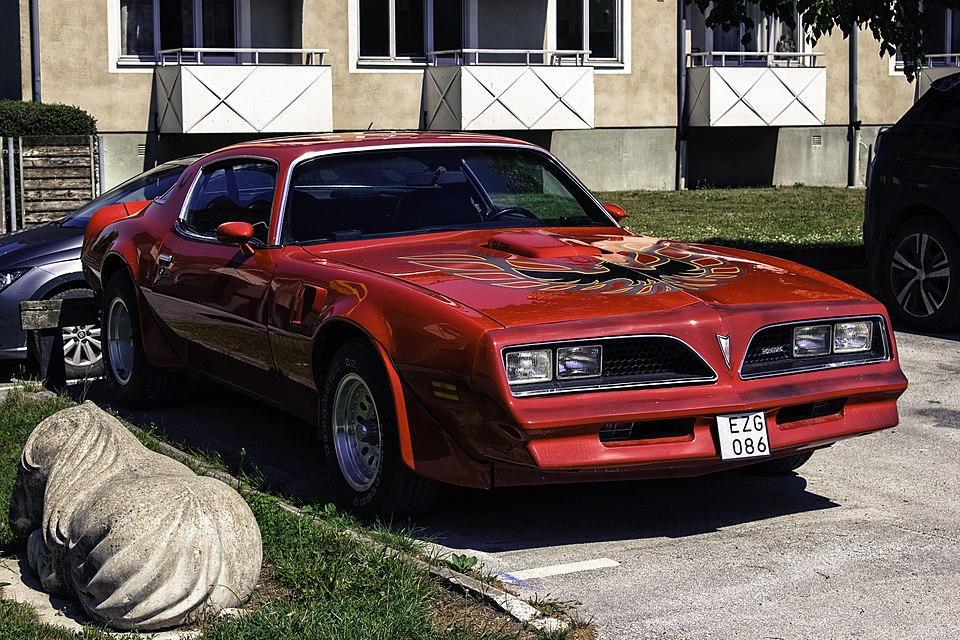
Detail in the listing copy. Before you look at reviews, read the dealer's current and past listings closely. A knowledgeable dealer will call out the RPO codes, identify the engine correctly, note whether the car has the WS6 handling and performance package, and distinguish between a Y84 Special Edition (the black and gold exterior package) and a standard black car. Vague listings suggest shallow knowledge regardless of review scores.
Openness to pre-purchase inspection. Several review platforms allow buyers to describe their pre-purchase experience in detail. A dealer who welcomed an independent inspection by a Pontiac specialist, and who answered specific technical questions without deflecting, is operating in good faith.
Patterns in negative reviews. Look for repetition rather than isolated complaints. One review mentioning a slow title transfer may be an outlier. Three reviews describing cars that arrived with undisclosed rust or incorrect documentation is a pattern worth taking seriously.
Red Flags in Dealer Listings for 1979 Trans Ams
Listing copy often reveals more than the review section does. Watch for these specific problems before you make contact with any seller.
Wrong engine identification. Calling any 1979 Trans Am a "6.6 T/A" when the car is equipped with a 403 is a misrepresentation. The 403 and the 400 W72 are different engines from different manufacturers, with meaningfully different power outputs and histories. The engine code embedded in the VIN can be cross-referenced with PHS documentation to confirm which engine the car left the factory with. A dealer who knows the car will have already done this work.
Leather interior claims on non-Y89 cars. Standard 1979 Trans Ams had vinyl Deluxe Bucket seats. Only the 10th Anniversary Y89 came with factory leather. A listing claiming factory leather on a car that is not a confirmed Y89 is either a mistake or a misrepresentation.
Mislabeled trim packages. The WS6 package added specific suspension components, larger stabilizer bars, and different wheel and tire combinations. It was not an interior or cosmetic option. Any listing describing WS6 as an appearance upgrade is wrong, and it signals the seller does not understand the car.
Omitted rust disclosure. Legitimate specialists disclose a car's regional history. Northern cars frequently show floor pan, frame rail, and torque box rust from decades of road salt exposure that Sunbelt cars typically do not have. Dealers who omit regional history entirely may be concealing it. Ask for undercarriage photos before committing to any travel or deposit.
Testing a Dealer's Knowledge Before You Commit
Reviews are useful background. Asking direct questions is better. Before you engage a dealer seriously on a 1979 Trans Am, put a few specific questions to them and evaluate the answers.
Ask what the standard engine was in 1979. A knowledgeable dealer should immediately identify the 403 cubic inch Oldsmobile V8 without hesitation or qualification.
Ask whether the car has the WS6 package and what that includes. A correct answer describes suspension and chassis upgrades, not appearance items.
Ask whether the car is a 10th Anniversary model and what that designation means. A correct answer references the Y89 RPO code, Platinum Silver Metallic paint, and factory leather interior. An incorrect or vague answer is information worth having.
Ask for the broadcast sheet or PHS documentation, and confirm that the dealer will support verification. A dealer who resists documentation requests on a car they represent as original is sending a clear signal.
Insuring a 1979 Trans Am Before You Drive It Home
Once you find a legitimate dealer and complete your due diligence, insurance needs to be in place before the car is in your possession. Standard auto policies value vehicles at actual cash value, applying depreciation that does not reflect what you paid for a well-maintained, original-condition classic.
Agreed value policies from collector car specialists protect you for the full insured amount in a total loss, without depreciation adjustments applied after the fact. The 1979 Trans Am market has appreciated meaningfully over the past decade, particularly for W72 400 cars and Y89 10th Anniversary examples. Standard insurers typically do not recognize those market premiums, and the gap between standard ACV and actual replacement cost can be significant on a clean car.